In This Article
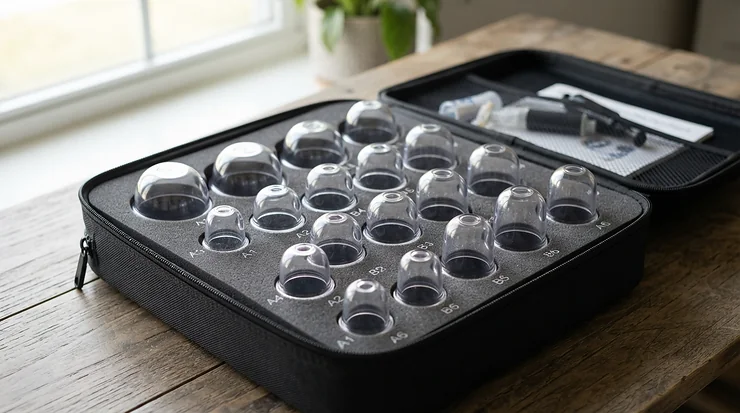
A massage cupping kit for beginners is a starter set of suction cups, usually plastic, silicone or polycarbonate, paired with a hand pump or a squeeze-to-stick design. It lets you apply gentle negative pressure to muscle tissue at home. The best ones include several cup sizes, a clear instruction booklet and a protective case.
Here’s what the glossy adverts won’t tell you: picking a first kit is less about suction power and more about avoiding regret. Buy too small and you’re pumping away at a thumb-sized patch of shoulder. Buy too big and you’re staring at 24 cups like a toolbox with no instructions. This guide leans on honest analysis rather than hype.
A quick reality check before any shopping. An evidence-mapping review in Frontiers in Neurology found no high-quality evidence that cupping reliably reduces pain. Very-low-to-moderate-quality studies do hint at possible benefits for chronic pain, knee osteoarthritis and low back pain. So treat any beginner cupping kit as a relaxing self-massage tool, not a cure.
I researched seven real kits across budget, mid-range and premium tiers, covering home therapy starter kits from simple squeeze cups to a heated electric device. I haven’t tested any of them myself. Everything below rests on published specs, retailer information and the review sentiment I could genuinely find. Where I couldn’t verify something, I say so. Availability on Amazon UK shifts, so confirm the live listing before you buy.
Quick Comparison: 7 Beginner-Friendly Kits at a Glance
| Kit | Style | Cups | Best For |
|---|---|---|---|
| AIKOTOO 12-Cup Cupping Set | Manual pump, plastic cups | 12 | Budget-minded first-timers |
| ELERA 7-Cup Silicone Cupping Set | Squeeze-and-stick silicone | 7 | Gentle, pump-free sessions |
| ASCLE Super Cupping Set (12-Cup) | Manual pump, polycarbonate cups | 12 | Durability and easy cleaning |
| DEFUNX 19-Cup Cupping Set | Manual pump, plastic cups | 19 | Full-back coverage |
| Goolrc 24-Piece Magnetic Cupping Set | Manual pump, magnet inserts | 24 | Full-body value |
| Hansol Professional 30-Cup Set | Manual pump with extension tube | 30 | Growing into pro-level use |
| Therabody TheraCup | Electric: suction, heat, vibration | 1 device, 3 cup sizes | Tech-loving recovery fans |
Looking at the table, the manual pump kits (AIKOTOO, ASCLE, DEFUNX, Goolrc, Hansol) all do the same job. What separates them is cup count, material and how much you’ll actually use. The ELERA removes the pump entirely, which suits anyone who finds pistol grips fiddly. The Therabody TheraCup is a different category altogether, trading raw suction for heat, vibration and a built-in timer.
💬 Just one click — help others make better buying decisions too!😊
Top 7 Massage Cupping Kit for Beginners: Expert Analysis
Each kit below gets the same treatment: what the specs mean in practice, who it suits, what real review themes say, and whether the price tier makes sense. Price bands are indicative tiers drawn from retailer listings and roundups during research, not live Amazon prices.
1. AIKOTOO 12-Cup Cupping Set — budget pump kit with curved glide cups
The curved cups are the standout. They make sliding across oiled skin far more forgiving than flat-rimmed rounds.
The set packs 12 cups across roughly seven or eight diameters (listing versions differ), from about 3 cm to around 8 cm. It adds a pistol-grip hand pump, an extension tube of around 70 cm, spare sealing valves and an English instruction booklet. That tube is the quiet hero: pump with one hand while the cup sits somewhere you can’t see, like your upper back. The wider rims are designed to feel less pinchy than thin-edged budget cups.
Based on the spec comparison, this is a sensible beginner cupping kit for anyone wanting a proper cupping kit contents list (several sizes, spares, a manual) without paying for a gadget. People with weak grip may tire of the pump trigger during longer sessions.
I couldn’t verify a large pool of independent UK customer reviews. Roundup writers describe it as punching above its price and mention a slight learning curve for newcomers, which suits any manual kit: you will over-pump the first time.
Pros:
- ✅ Curved cups make gliding easierF
- ✅ Extension tube enables self-treatment
- ✅ Spare valves and manual included
Cons:
- ❌ Manual pump can tire weaker hands
- ❌ Durability claims come mainly from the maker
Price: budget bracket, broadly under £30 at the time of research; check current price. Verdict: the best-value way into cupping if you want to learn properly.
2. ELERA 7-Cup Silicone Cupping Set — pump-free squeeze cups for gentle sessions
You squeeze, press and release. No pump, no tubing, no valves to lose.
Seven clear silicone cups cover small to large areas, and the transparency lets you watch your skin respond. Roundups note the cups work for static and sliding techniques. Silicone is soft and flexible, so suction builds gradually, which suits nervous beginners. One cupping-supplier guide describes silicone as pulling tissue up in a way that resembles deep-tissue massage, though it usually costs more than plastic.
On paper, this is the most intuitive easy to use cupping kit here. Because you control suction with your fingers, it’s hard to apply too much. The flip side is a ceiling: squeezing silicone rarely matches a pump’s grip on thicker muscle like the glutes.
I found no verified bulk review data for this exact set, so I won’t claim a rating. Buying guides generally praise silicone for comfort and easy cleaning, and note it can feel less forceful than rigid cups.
Pros:
- ✅ No pump needed, very intuitive
- ✅ Clear cups let you monitor skin
- ✅ Soft, easy to wipe clean
Cons:
- ❌ Suction ceiling lower than pump kits
- ❌ Only seven cups for larger areas
Price: budget to lower mid-range, broadly £15-£35 at the time of research; check current price. Verdict: a lovely gentle starter, especially for calves, forearms and shoulders.
3. ASCLE Super Cupping Set (12-Cup) — tough polycarbonate cups you can sterilise
Polycarbonate construction is the headline. Most cheap kits use softer plastics that can warp or scuff.
The set offers 12 cups in four sizes plus a water-resistant, shockproof carry case. The manufacturer says the cups are heat-safe, boiling-water-safe and drop-tested from about two metres (seven feet). Treat those as marketing claims, but they point to a design built for repeated cleaning. Roundup reviewers also note smooth, consistent rims without the visible seam lines common on cheaper cups.
Here’s what to weigh: if more than one person will use the kit, being able to sterilise it matters more than another two cup sizes. Hygiene also matters because safety reviews report side effects such as haematoma and tingling. Always follow the manufacturer’s cleaning guidance.
I could only find roundup commentary rather than a deep bank of verified customer reviews. That commentary is positive on build quality and rim finish.
Pros:
- ✅ Heat-tolerant, hard-wearing polycarbonate cups
- ✅ Smooth rims feel comfortable on skin
- ✅ Protective case suits gym bags
Cons:
- ❌ Only four sizes across 12 cups
- ❌ Toughness claims are manufacturer-led
Price: mid-range, broadly £25-£45 at the time of research; check current price. Verdict: great for households and anyone who wants a kit that outlasts the novelty phase.
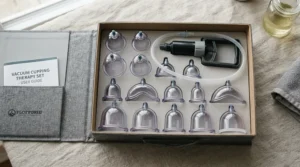
4. DEFUNX 19-Cup Cupping Set — an all-in-one cupping set with full-back coverage
Nineteen cups in five sizes is the point. You can treat both sides of your back without constantly moving cups.
Duplicate sizes matter more than they sound. Spinal muscles are symmetrical, so pairs of identical cups let you work evenly on either side. Roundups describe it as covering a full back in one session. Add a hand pump and you have an all-in-one cupping set that moves a curious beginner towards a serious home setup.
My honest take: more cups bring more temptation. Beginners should start with two to four cups and add more only once they know how their skin reacts. The extra cups are a “later” feature, not a “day one” one.
I couldn’t verify independent review volumes for this set, so I won’t quote any. Roundups position it as the best mix of coverage and price for home users.
Pros:
- ✅ Enough cups for both sides of the back
- ✅ Five sizes cover shoulders to calves
- ✅ Strong cups-per-pound value
Cons:
- ❌ Easy to overdo with so many cups
- ❌ Bulkier to store than smaller kits
Price: mid-range, broadly £25-£45 at the time of research; check current price. Verdict: the sweet spot if you’re confident you’ll keep going.
5. Goolrc 24-Piece Magnetic Cupping Set — big full-body value with magnet inserts
Twenty-four pieces make this the best-stocked kit for the money. It also includes removable magnets.
UK comparison site Testix says it analysed over 1,240 customer reviews across five cupping sets from retailers including Currys, John Lewis, Argos and Amazon UK. It names the Goolrc the best value for full-body treatments. That’s useful third-party context, though it’s one site’s view.
Magnet inserts are sold as an acupressure add-on. I’d treat them as optional extras, because I found no robust evidence that magnets improve outcomes. If you have a pacemaker or other implanted device, check with your clinician before using magnets near your body.
For beginners, the lesson is practical: the Goolrc suits someone who wants every size from day one and doesn’t mind a longer learning curve. Anyone who just wants to try cupping on one tight shoulder will be paying for cups they never touch.
Pros:
- ✅ Huge range of cups and sizes
- ✅ Recognised as best value in a UK test
- ✅ Removable magnets are optional extras
Cons:
- ❌ Magnet benefits lack strong evidence
- ❌ Overkill for casual first-timers
Price: mid to upper mid-range, broadly £30-£55 at the time of research; check current price. Verdict: good value if you’ll use the range; otherwise choose a smaller kit.

6. Hansol Professional 30-Cup Set — clinic-style kit you can grow into
Thirty cups, a pumping handle and an extension tube make this the closest thing to clinic equipment on the list.
The listing includes an English manual and states the set is made in Korea. Roundups note that massage therapists on forums regularly mention Hansol as a trusted brand, which is a sentiment worth noting even if I can’t independently verify it. The same roundups flag the storage case as the main trade-off.
Here’s the practical meaning: with 30 cups you can map a whole back and both legs, so this suits massage students or enthusiasts who treat cupping as a regular practice. A true beginner may feel overwhelmed, since a decent chunk of those cups will sit idle for months.
If your priorities are build reputation and range, Hansol earns its place. If you’d rather start small, the AIKOTOO or ASCLE will teach you the same fundamentals for less.
Pros:
- ✅ Brand trusted by practitioners, per roundups
- ✅ Wide cup range for whole-body work
- ✅ Extension tube and English manual included
Cons:
- ❌ Storage case is the weak point
- ❌ Far more cups than most beginners need
Price: upper tier for manual kits, broadly £35-£70 at the time of research; check current price. Verdict: worth it only if you’re committed.
7. Therabody TheraCup — heat, vibration and suction in one rechargeable device
This is the only electric option here, and the heat-and-vibration combination is the draw.
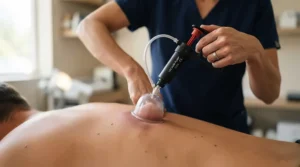
Three cup sizes attach to one device with three suction levels, three heat settings (41°C, 43°C and 45°C) and three vibration speeds (about 1,800, 2,400 and 3,000 rpm). A built-in timer beeps after three minutes and auto-shutoff supports skin protection. The device is rechargeable and includes a compact neoprene case.
For beginners, that three-minute limit is a genuine safety net. It stops the classic first-timer error of “I’ll just leave it a bit longer”. If you buy one, check for UKCA or CE marking and use the supplied charger.
Reviews are mixed, which is useful. One retailer listing shows about 4.5 from roughly two dozen ratings. Some users praise the heat and vibration, portability and battery life. Others say suction feels lighter than traditional cupping, one noted it works best when someone else operates it, and one reported no noticeable benefit.
Pros:
- ✅ Suction, heat and vibration combined
- ✅ Three-minute auto shut-off aids safety
- ✅ Compact, rechargeable, travel-friendly
Cons:
- ❌ Milder suction than traditional pump kits
- ❌ Costs several times more than manual sets
Price: premium, broadly £130-£200 depending on retailer at the time of research; check current price. Verdict: worth it only if you’ll value the heat and vibration, not just the suction.
Side-by-Side Spec and Value Table
| Kit | Cup Material | Power | Indicative Price Tier | Best For |
|---|---|---|---|---|
| AIKOTOO 12-Cup Cupping Set | Rigid plastic | Hand pump | Budget | Cost-conscious first-timers |
| ELERA 7-Cup Silicone Cupping Set | Silicone | Squeeze | Budget to lower mid | Gentle, intuitive sessions |
| ASCLE Super Cupping Set (12-Cup) | Polycarbonate | Hand pump | Mid-range | Shared, easily cleaned kits |
| DEFUNX 19-Cup Cupping Set | Rigid plastic | Hand pump | Mid-range | Full-back sessions |
| Goolrc 24-Piece Magnetic Cupping Set | Rigid plastic | Hand pump | Mid to upper mid | Full-body variety |
| Hansol Professional 30-Cup Set | Rigid plastic | Hand pump | Upper manual tier | Committed home practitioners |
| Therabody TheraCup | Rigid cups on device | Rechargeable electric | Premium | Heat and vibration fans |
Reading across, pump kits cluster at similar prices, so the real decision is cup count versus simplicity. Pay for the DEFUNX, Goolrc or Hansol only if you’ll genuinely use the extra cups. For most newcomers, the AIKOTOO or ELERA delivers the learning experience at the lowest risk.
Your First Session: A Practical Usage Guide for a Beginner Cupping Kit
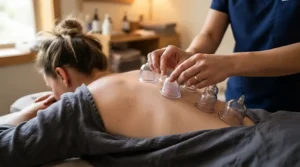
Treat the first session like learning to cook with a new pan: start gentle, stay present and watch what happens. These steps are general guidance, so always follow your own kit’s manual first.
- Prepare your skin. Clean, dry skin that’s free of cuts, sunburn or rashes. Excess hair weakens the seal, so trim if needed.
- Choose the right area. Start on large, fleshy muscle such as the upper back beside the spine, thighs or calves. Avoid bones, the spine itself, the neck’s front, the groin and the armpits.
- Pick a small cup. A smaller cup produces a milder sensation.
- Apply a light seal. With pump kits, pull the trigger once or twice and stop. With silicone cups, squeeze gently. You should feel a mild pull, not pinching.
- Keep it short. Many beginner guides suggest around five minutes for static cupping at first, never beyond ten. The TheraCup builds in three minutes automatically.
- Release carefully. Press the valve or pinch the silicone edge. Never yank a cup off.
- Aftercare. Moisturise, drink water and avoid intense heat or sun on the area for a while.
For sliding (moving) cupping, add a thin layer of massage oil and glide slowly. Curved cups, like those in the AIKOTOO kit, tolerate this better.
Cleaning is the unglamorous bit. Wash cups with mild soap and warm water after each use and dry them thoroughly. Check valves regularly for wear. During your first 30 days, the commonest mistakes are too much suction, too many cups and sessions that run too long.
Real-World Scenarios: Matching Kits to Real Beginners
Scenario 1: The desk-bound upper back. Imagine a hybrid worker with a tight upper back, a budget under £30 and three short sessions a week. The AIKOTOO 12-Cup Cupping Set fits: the extension tube lets them pump one-handed from a chair, and the mid-sized cups suit shoulders. Starting with two cups per session keeps the learning curve gentle.
Scenario 2: The weekend runner. Picture someone running 20 miles a week who wants to loosen calves and quads. Here the ELERA 7-Cup Silicone Cupping Set shines: squeeze cups glide smoothly over oiled calves and adapt to awkward curves. A systematic review of cupping in musculoskeletal and sports rehabilitation rated the evidence for soft-tissue flexibility as moderate, though low to moderate for back and neck pain. That makes calf and thigh mobility a reasonable, realistic goal.
Scenario 3: The gadget-loving gym regular. Consider a gym-goer with a budget of £150 or more who already owns a percussion gun and wants heat plus vibration. The Therabody TheraCup suits them: three cup sizes, a timer and safety sensors reduce the guesswork. They should expect milder suction than manual kits and treat the heat as the real bonus.
If several household members will share one kit, the ASCLE Super Cupping Set (12-Cup) is the logical pick because its cups handle cleaning well.
Common Beginner Problems and Simple Fixes
Problem 1: The cup won’t hold suction. Check for body hair, oily skin or a poorly seated valve. Wipe the area dry, trim hair and firmly seat the valve. With sets such as the AIKOTOO, swapping in a spare valve often solves it.
Problem 2: Marks look darker than expected. That usually means too much suction or too long on the skin. Pump once less, shorten the session and let skin recover fully before the next one. Circular marks are common after cupping, but pain, blistering or lasting discolouration deserves medical advice.
Problem 3: Cups hurt on bony areas. Move to fleshier muscle, switch to a smaller cup or use a softer silicone option such as the ELERA.
Problem 4: You can’t reach your own back. Use the extension tube on kits such as the DEFUNX or Hansol, or ask a partner to help with placement. Devices like the TheraCup are easier for a helper to operate than for solo use on your upper back.
Problem 5: Cups won’t glide. Rigid plastic with sharp edges drags on skin. Use more oil, pump lightly and consider curved or silicone cups.
What’s in the Box? Cupping Kit Contents Explained
Understanding cupping kit contents saves money, because you’ll quickly see which extras matter and which are filler.
Cups. Sets range from four cups to 30. Sizes run from around 3 cm for small areas to around 8 cm for large muscle groups. More sizes give more control, but duplicates matter too: pairs let you work both sides of your back evenly.
Pump or squeeze mechanism. Most plastic sets include a pistol-grip hand pump, while silicone sets rely on a squeeze. The pump gives finer control. Silicone is simpler and gentler.
Extension tube. Present in kits such as the AIKOTOO and Hansol, it connects the pump to the cup so you can treat areas you can’t see.
Spare valves. Small, easy to lose, and valuable when a seal starts leaking.
Carry case. Protects cups and keeps pieces together. The ASCLE includes a water-resistant, shockproof case. Roundups flagged the Hansol storage case as a weaker point.
Magnets. Included with the Goolrc and some other sets. Optional, with limited evidence behind them.
Instruction booklet. Underrated. A clear English manual is the cheapest teacher you’ll get.
How to Choose a Massage Cupping Kit for Beginners
Choosing well comes down to six decisions. Work through them in order and the right kit usually reveals itself.
- Start with your goal. Do you want a quick shoulder release, calf recovery, or full-back sessions? Small goals suit small kits.
- Decide how much control you want. A pump gives precise, adjustable suction. Squeeze silicone is gentler and simpler. An electric device automates timing and adds heat.
- Check the cup range. For a first purchase, four to twelve cups across several sizes is enough. More is a bonus, not a requirement.
- Look at material. Polycarbonate and good silicone clean easily. Cheap rigid plastic can show seams that feel rough on skin.
- Set realistic expectations. A meta-analysis on cupping for chronic pain found large short-term effects versus no treatment, but no significant benefit versus sham cupping. The authors noted limits in trial quality. Buy for comfort and relaxation, not for miracle claims.
- Budget sensibly. A mid-range manual kit teaches you everything you need. Upgrade only when you know you’ll keep using it.
Easy to Use Cupping Kit: Features That Actually Matter (And Those That Don’t)
An easy to use cupping kit isn’t about how many features it advertises. It’s about how few things can go wrong in your first week.
Features that matter:
- A smooth-action pump or squeeze mechanism. If suction feels jerky, you’ll over- or under-do it.
- Wide, smooth rims. Comfort on skin affects whether you keep going.
- Clear cups. Seeing your skin colour helps you spot when to stop. Both the ELERA and most plastic kits offer this.
- A real instruction booklet. Confusing English manuals frustrate beginners.
- Spare valves. They turn a dead kit into a working one.
Features that matter less:
- Huge cup counts. Past around a dozen, most beginners won’t use the extras.
- Magnet inserts. Optional extras, as the Goolrc shows. They add little proven value.
- Fancy carry cases. Nice to have, but secondary to cup quality.
- Heat and vibration. Pleasant on the TheraCup, but they don’t replace the core job of controlled suction.
In short, prioritise comfort, control and clarity. Everything else is garnish.
All-in-One Cupping Set vs Silicone Squeeze Cups vs Electric Devices
An all-in-one cupping set (cups, pump, tube and case together) is the traditional starting point, but it’s not the only route. Here’s how the three main styles compare.
| Option | Ease of Use | Suction Control | Typical Cost | Best For |
|---|---|---|---|---|
| Manual pump all-in-one cupping set | Moderate, with a short learning curve | Fine, adjustable | Budget to mid | AIKOTOO, DEFUNX, ASCLE |
| Silicone squeeze cups | Very easy | Moderate, finger-controlled | Budget to lower mid | ELERA |
| Electric heat-and-vibration device | Easy, with presets | Preset levels | Premium | Therabody TheraCup |
| Treatment from a qualified therapist | No effort | Practitioner-controlled | Pay per session | Those wanting professional supervision |
The table shows that pump kits offer the most control per pound, while silicone wins on simplicity. Electric devices cost far more but add timers and heat, which can be worth it if you value convenience. Professional treatment avoids the learning curve entirely but costs more over time.
Choose a manual all-in-one cupping set like the AIKOTOO if you want to learn the technique cheaply. Choose the ELERA if pumps put you off. Choose the TheraCup if heat and automation justify the premium.
Instructional Guides: Where Beginners Can Learn Safely
The best cupping kit still needs good instruction. Fortunately, quality instructional guides are easy to find if you know where to look.
Start with the booklet. Your kit’s own manual covers suction limits and cleaning specific to that design. Read it before anything else.
Watch demonstrations from qualified practitioners. UK massage supplier Physique, for example, hosts videos in which therapist Dawn Morse of Core Elements demonstrates self-cupping for the quadriceps and for lower-leg tension, using a cupping set and massage lotion. Watching technique, such as slow gliding and light suction, teaches more than a page of text.
Learn from your therapist. If you see a massage therapist or physiotherapist, ask whether they can show you a few safe placements for home use.
Beware viral shortcuts. Social media often shows heavy suction, long sessions and dramatic marks. Those are exactly the habits beginners should avoid.
Keep notes. Jot down cup size, suction level, duration and how your skin responded. After a few sessions you’ll have your own personalised guide, which is more useful than any generic video.
Safety, Evidence and Who Should Skip Cupping
Cupping is generally considered low risk when done carefully, but not risk-free. One overview of systematic reviews reported adverse events including haematoma, increased pain and tingling. It also concluded that firm conclusions couldn’t be drawn because the original studies were low quality.
Speak to your GP or pharmacist before using cupping if any of these apply:
- You take blood-thinning medication or have a bleeding or clotting disorder.
- You’re pregnant.
- You have a pacemaker or other implanted device (especially relevant to magnet inserts).
- You have diabetes, poor circulation, varicose veins or fragile skin.
- You have a skin condition, rash, sunburn or open wound on the area.
- You’re treating a child.
Never cup over broken skin, bony prominences, the front of the neck or areas of unexplained pain. Hygiene matters too: clean cups after every use and never share unsterilised equipment. Because the ASCLE is advertised as heat-safe, it suits households that want straightforward sterilisation, but always follow its guidance.
If you develop severe pain, blistering, dizziness or marks that don’t fade, stop and seek medical advice.
Home Therapy Starter Kits: Long-Term Cost and Maintenance
Home therapy starter kits look cheap at the till, but total cost depends on how often you use them and how long they last.
Cost per use. An illustrative example: a kit costing around £30 used twice a week for a year works out at roughly 30p a session. A £150 electric device used the same way is closer to £1.50. Both are modest compared with repeated paid treatments, but only if you keep using them.
Wear and tear. Valves and seals are the usual weak points on pump kits, so spares matter. Silicone cups such as the ELERA are described by suppliers as long-lasting with proper care, while rigid cups like those in the ASCLE are marketed for durability.
Maintenance routine. Wash cups after each use, dry them fully, check valves monthly and store everything in a cool, dry place. Charge electric devices like the TheraCup according to the manufacturer’s guidance.
Cost versus benefit. If you’re unsure you’ll stick with it, a budget kit like the AIKOTOO limits the downside. If you already know you enjoy self-massage, a mid-range kit like the DEFUNX or ASCLE gives better long-term value. The Hansol and Goolrc only pay off with regular, varied use.

Frequently Asked Questions
❓ How long should a beginner leave cups on?
❓ How much should I spend on a first kit?
❓ Can I use a cupping kit on my own back?
❓ How long do cupping marks last?
❓ Do I need massage oil with a cupping kit?
Conclusion
The right massage cupping kit for beginners is the one that matches your patience, budget and goals. The research is honest about limits: evidence for cupping is mixed, so buy for comfort and relaxation rather than miracle results.
For most newcomers, the AIKOTOO 12-Cup Cupping Set is the best-value way to learn technique. If pumps put you off, the ELERA 7-Cup Silicone Cupping Set is the gentlest option. Households that share equipment will appreciate the ASCLE Super Cupping Set (12-Cup), and if you’re certain you’ll keep going, the DEFUNX 19-Cup Cupping Set and Goolrc 24-Piece Magnetic Cupping Set offer more coverage. The Hansol Professional 30-Cup Set suits committed enthusiasts, while the Therabody TheraCup is a premium indulgence for those who value heat and vibration.
Whichever you choose, start small, use light suction, keep sessions short and speak to a health professional if you have any medical concerns. Check the live listing for current price and availability before you buy.
✨ Ready to start your cupping journey?
🔍 Pick the kit that fits your routine, click through to check current pricing and availability, and give your tired muscles the gentle, careful attention they deserve. Your future self will thank you!
Recommended for You
- Cupping Therapy Vs Percussion Massage For Recovery: 7 Top Picks 2026
- Silicone Cupping Set Vs Vacuum Cupping: 7 Best Picks (2026)
- Cupping Set For Muscle Recovery: 7 Best Picks In The UK (2026)
Disclaimer: This article contains affiliate links. As an Amazon Associate, I earn from qualifying purchases. If you purchase products through these links, we may earn a small commission at no additional cost to you.
✨ Found this helpful? Share it with your friends! 💬🤗
