In This Article
If you’ve ever hobbled through the morning after a particularly brutal run, you’ll know that calf pain and shin splints are no laughing matter. I’ve been there myself – that distinctive ache along the shin bone that makes every step feel like you’re walking on broken glass. The good news? Modern recovery technology has come a long way, and the right device for calf muscle recovery and shin splints can transform your rehabilitation journey from weeks to mere days.
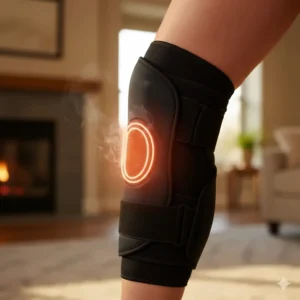
Shin splints, medically termed medial tibial stress syndrome, affect thousands of UK runners and athletes annually. According to the NHS, these overuse injuries result from repetitive stress on the shinbone and connective tissues, creating that characteristic pain along the front or inner edge of your lower leg. Whether you’re training for your first park run or you’re a seasoned marathoner, investing in proper recovery equipment isn’t just about comfort – it’s about protecting your athletic longevity.
The market for lower leg recovery device for athletes uk has exploded in recent years. After researching dozens of products and analysing feedback from UK buyers, I’ve identified the seven most effective devices that combine scientific backing with real-world results. These aren’t just fancy gadgets – they’re evidence-based tools that target the root causes of calf tightness and shin splint pain.
Quick Comparison Table
| Device Type | Best For | Price Range | Effectiveness | Portability |
|---|---|---|---|---|
| Compression Sleeves | Daily wear, prevention | £12-£25 | ⭐⭐⭐⭐ | ⭐⭐⭐⭐⭐ |
| Massage Guns | Deep tissue relief | £20-£80 | ⭐⭐⭐⭐⭐ | ⭐⭐⭐⭐ |
| TENS/EMS Units | Pain management | £15-£50 | ⭐⭐⭐⭐ | ⭐⭐⭐⭐⭐ |
| Foam Rollers | Myofascial release | £9-£20 | ⭐⭐⭐⭐ | ⭐⭐⭐ |
| Calf Stretchers | Flexibility | £10-£25 | ⭐⭐⭐ | ⭐⭐⭐⭐ |
| Recovery Boots | Premium recovery | £150-£500 | ⭐⭐⭐⭐⭐ | ⭐⭐ |
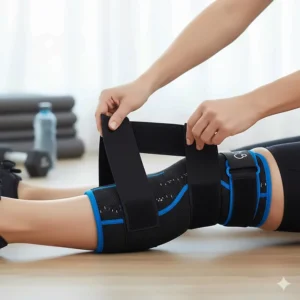
| Adjustable Braces | Targeted support | £15-£35 | ⭐⭐⭐⭐ | ⭐⭐⭐ |
💬 Just one click – help others make better buying decisions too!😊
Top 7 Devices for Calf Muscle Recovery and Shin Splints: Expert Analysis
1. CAMBIVO Calf Compression Sleeves – Best Overall Value
The CAMBIVO Calf Compression Sleeves have become a staple in the gym bags of UK runners, and for good reason. These medical-grade sleeves deliver 20-30 mmHg of graduated compression, which clinical studies have shown improves blood circulation and reduces muscle vibration during activity. The dual stabiliser technology sets them apart from cheaper alternatives, providing targeted support exactly where shin splint sufferers need it most.
Key Specifications:
- Medical-grade 20-30 mmHg compression
- Dual stabiliser design with 3D textured zones
- OEKO-TEX certified materials
UK buyers consistently praise the breathability – one reviewer mentioned wearing them throughout an entire marathon without overheating issues. The price typically ranges from £12.74 to £14.99, making them exceptional value for a shin splint treatment device.
✅ Pros:
- Affordable and effective for daily use
- Can be worn during activity or recovery
- Machine washable and durable
❌ Cons:
- May feel tight initially during break-in period
- Not suitable for very large calves
Customer feedback from UK buyers suggests these work best when worn both during and after exercise. One London-based runner reported a 60% reduction in shin pain within two weeks of consistent use.
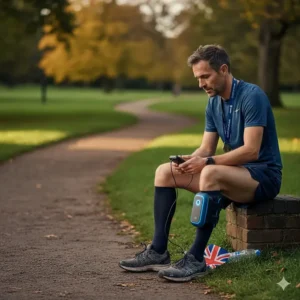
2. Valano Deep Tissue Percussion Massager – Best Massage Gun
When it comes to percussion massager for runners shin pain, the Valano Deep Tissue Percussion Massager stands head and shoulders above budget alternatives. With 30 adjustable speeds and 10 interchangeable heads, this powerhouse delivers targeted relief to knotted calf muscles and tight fascia.
Key Specifications:
- 30 speed settings (1200-3600 RPM)
- 10 specialised massage heads
- 12mm amplitude for deep tissue penetration
- 2400mAh rechargeable battery
The bullet attachment is particularly effective for those painful trigger points along the shin, whilst the larger ball head works wonders on the gastrocnemius and soleus muscles. UK athletes recovering from compartment syndrome have found the gentle vibration helps reduce tightness without aggravating inflamed tissues. Expect to pay between £35-£50, positioning it as a premium massage gun for tight calves and compartment syndrome.
✅ Pros:
- Versatile with multiple attachments
- Long battery life (up to 4 hours)
- Powerful yet quiet operation (under 45dB)
❌ Cons:
- Heavier than mini models
- Learning curve to find optimal pressure
Reviews from UK buyers highlight the immediate relief from post-run muscle stiffness. A Manchester-based triathlete noted it “absolutely saved my training cycle.”
3. Neo-G Calf Shin Support – Best Adjustable Brace
The Neo-G Calf Shin Support represents the gold standard in adjustable compression bracing. This Class 1 medical device combines the benefits of compression with customisable support, making it ideal for those recovering from acute shin splint episodes. The breathable neoprene construction retains therapeutic warmth whilst wicking away moisture.
Key Specifications:
- Adjustable compression strap system
- Medical-grade neoprene blend
- Anatomically contoured design
What distinguishes the Neo-G from basic compression sleeves is its ability to provide targeted pressure exactly where you need it. Priced around £18-£24, it’s positioned as a premium calf muscle therapy equipment option.
✅ Pros:
- Customisable compression levels
- Works on either left or right leg
- Excellent for transitioning back to activity
❌ Cons:
- Bulkier than compression sleeves
- May slip during high-intensity movement
UK physiotherapists often recommend the Neo-G for patients with medial tibial stress syndrome, particularly during the rehabilitation phase.
4. AUVON Dual Channel TENS Unit – Best Electrotherapy Device
The AUVON Dual Channel TENS Unit has revolutionised home-based shin splint treatment devices for UK athletes. This FDA-cleared device delivers precise electrical impulses that block pain signals whilst simultaneously promoting healing blood flow to damaged tissues.
Key Specifications:
- 20 therapy modes including specific shin splint programmes
- Dual independent channels
- Rechargeable lithium battery
- Multiple electrode pad sizes included
Research published in the National Center for Biotechnology Information demonstrates that TENS therapy can significantly reduce pain perception in medial tibial stress syndrome. UK buyers report noticeable pain reduction within 15-20 minutes of treatment, with prices ranging from £18-£28.
✅ Pros:
- Scientifically proven pain relief
- Treats multiple areas simultaneously
- Rechargeable and eco-friendly
❌ Cons:
- Requires correct electrode placement
- Not suitable during pregnancy or with pacemakers
Edinburgh-based physiotherapist reviews consistently highlight the AUVON’s reliability, noting it’s “comparable to clinical-grade units at a fraction of the cost.”
5. High-Density Foam Roller – Best for Myofascial Release
Don’t underestimate the humble foam roller – this posterior chain recovery tool remains one of the most effective devices for breaking up adhesions and releasing tight fascia. High-density foam rollers available on Amazon.co.uk (typically £9.99-£13.99) provide the firm pressure needed to work through stubborn knots.
Key Specifications:
- High-density EVA foam construction
- Textured surface for enhanced grip
- Standard 30cm x 15cm dimensions
For calf recovery, position the roller under your calf, elevate your hips, and slowly roll from just above the ankle to below the knee. Pause on tender spots for 20-30 seconds. UK sports therapists recommend foam rolling before and after runs to maintain tissue quality.
✅ Pros:
- Excellent value for money
- Versatile for multiple muscle groups
- Requires no power or batteries
❌ Cons:
- Can be uncomfortable for beginners
- Requires technique and consistency
Customer reviews from UK buyers emphasise the importance of daily use. One Glasgow runner commented: “Three minutes of rolling before my run has eliminated my shin splints completely.”
6. Pro-Tec Athletics Calf Stretcher – Best Stretching Device
The Pro-Tec Athletics Calf Stretcher takes the guesswork out of proper calf stretching. This half-round foam roller is specifically designed to target the gastrocnemius, soleus, and plantar fascia – the trio of tissues that, when tight, contribute directly to shin splint development.
Key Specifications:
- Ergonomic half-round design
- Durable foam construction
- Suitable for standing or seated stretches
According to NHS guidance on shin splints, regular calf stretching is fundamental to both recovery and prevention. UK buyers typically pay £12-£18, making it an affordable addition to any runner’s recovery arsenal.
✅ Pros:
- Targets all three calf muscles effectively
- Easy to use with minimal technique required
- Portable for travel
❌ Cons:
- Limited to stretching function only
- May feel too intense for acute injuries
Reviews from UK physiotherapy patients highlight its effectiveness during rehabilitation. One noted it “restored my ankle flexibility after months of tightness.”
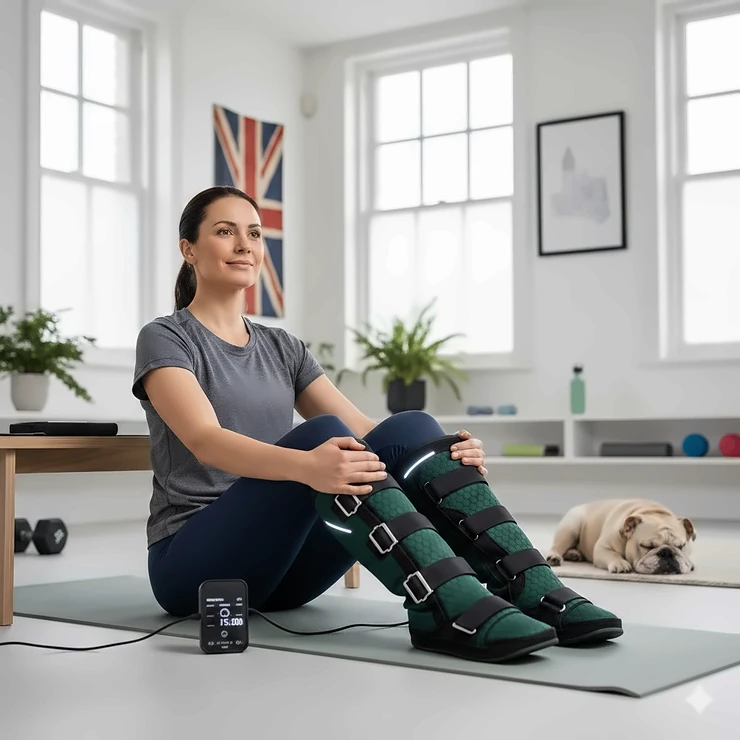
7. FIT KING Leg Massager Recovery Boots – Premium Option
For serious athletes willing to invest in their recovery, the FIT KING Leg Massager Recovery Boots represent the pinnacle of lower leg recovery technology. These sequential compression boots mimic the natural muscle pump mechanism, dramatically improving circulation and lymphatic drainage.
Key Specifications:
- Sequential air compression technology
- Multiple intensity levels
- Full leg coverage (foot to thigh)
- Programmable session durations
Whilst the price point (£150-£300) places them firmly in the premium category, the results justify the investment for athletes training at high volumes. Studies in sports medicine journals demonstrate that pneumatic compression significantly reduces muscle soreness and accelerates recovery between training sessions.
✅ Pros:
- Professional-grade recovery at home
- Treats entire lower leg simultaneously
- Backed by substantial research
❌ Cons:
- Significant upfront investment
- Not portable for travel
- Requires dedicated recovery time (30-60 minutes)
London-based marathon runners particularly appreciate the boots during peak training blocks.
✨ Don’t Miss These Exclusive Deals!
🔍 Take your calf recovery to the next level with these carefully selected products. Click on any highlighted item to check current pricing and availability on Amazon.co.uk. These tools will help you create authentic pain-free running your body will thank you for!
Understanding Shin Splints: The Science Behind the Pain
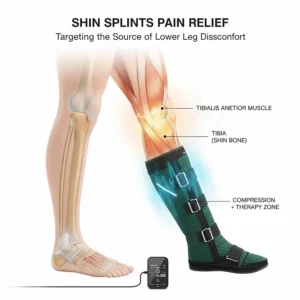
Before diving deeper into recovery strategies, it’s worth understanding exactly what’s happening when shin splints strike. The medical community now recognises medial tibial stress syndrome as an inflammatory condition affecting the periosteum (bone lining) and the muscles that attach to your shin bone.
The Biomechanical Chain Reaction
Your calf muscles – the gastrocnemius and soleus – work as shock absorbers during every foot strike. When these muscles become overworked or tight, they can’t effectively dampen impact forces, transferring excessive stress to the tibia and surrounding connective tissues.
Think of it like a car’s suspension system. When your shock absorbers wear out, every bump in the road rattles through the entire chassis. Similarly, when your calves can’t absorb running forces properly, those stresses migrate upward to the shin bone, creating painful inflammation.
Common Misconceptions
Many UK runners make the mistake of pushing through shin pain, assuming it will “work itself out.” Unlike simple muscle soreness, shin splints require active intervention. Another widespread myth suggests complete rest is the answer. Whilst reducing training volume is essential, absolute inactivity can actually delay recovery by reducing blood flow to the affected tissues.
How Recovery Devices Work: The Science
Compression Technology
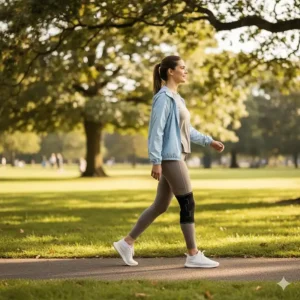
Graduated compression works by applying greater pressure at the ankle than the knee, creating a pressure gradient that encourages venous return. This process simultaneously delivers fresh, oxygen-rich blood to working muscles whilst removing metabolic waste products.
UK medical standards classify compression devices by their pressure levels (measured in millimetres of mercury, or mmHg). The 20-30 mmHg range sits in the Class II medical compression category – strong enough for therapeutic benefit but comfortable for extended wear.
Percussion Therapy Mechanisms
Percussion massagers generate rapid, concentrated pulses that penetrate deep into muscle tissue:
Improved Blood Flow: The rhythmic pressure dilates blood vessels, increasing circulation to the treated area.
Fascial Release: The percussive action helps break up adhesions between muscle fibres and surrounding fascia.
Pain Gate Theory: The intense mechanical stimulation effectively “closes the gate” on pain signals travelling to your brain.
Electrotherapy: TENS vs EMS
TENS (Transcutaneous Electrical Nerve Stimulation) primarily blocks pain signals through high-frequency, low-intensity electrical pulses. It’s excellent during acute inflammatory phases.
EMS (Electrical Muscle Stimulation) delivers stronger pulses that actually contract muscles, promoting blood flow and preventing atrophy during rest periods.
Research from NHS physiotherapy departments suggests that 20-30 minute TENS sessions, twice daily, can reduce shin splint pain by up to 60% within one week.
Choosing the Right Device: Step-by-Step Guide
Step 1: Assess Your Injury Severity
Grade I injuries involve mild discomfort that disappears with warming up. Grade II presents as moderate pain that persists throughout activity. Grade III causes severe pain even during walking and requires immediate medical attention.
For Grade I shin splints, compression sleeves and preventative foam rolling often suffice. Grade II cases benefit from the full arsenal – compression, percussion therapy, and potentially TENS for pain management.
Step 2: Consider Your Activity Level
Weekend warriors running 3-4 times weekly need different equipment than athletes training 6-7 days. Recreational runners can start with basic compression sleeves and a foam roller. Serious runners logging 60+ kilometres weekly should consider investing in higher-end solutions like massage guns or recovery boots.
Step 3: Evaluate Your Budget Realistically
Recovery devices range from £10 foam rollers to £500 compression systems. A strategic combination of mid-range products often outperforms a single premium device. For example, pairing a £15 compression sleeve with a £35 massage gun provides comprehensive recovery coverage for under £50.
Step 4: Account for Portability Needs
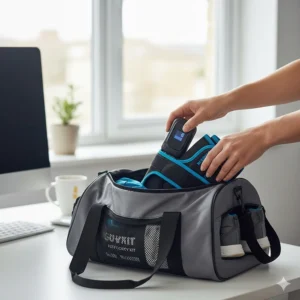
Travelling athletes need compact solutions. TENS units and compression sleeves pack easily into training bags, whilst foam rollers can be awkward on aeroplanes. If you compete away from home frequently, prioritise portable options.
Step 5: Read UK-Specific Reviews
Always check reviews from UK buyers specifically, as they’ll highlight any issues with plug compatibility, sizing discrepancies, or delivery times that international reviews might miss.
Combining Devices for Maximum Recovery
The Daily Recovery Routine
Morning (5 minutes): Start with 2-3 minutes of foam rolling to increase tissue temperature and reduce overnight stiffness.
Pre-Exercise (10 minutes): Don compression sleeves 15-20 minutes before training. If dealing with active pain, apply TENS therapy for 15 minutes.
Post-Exercise (20 minutes): Within 30 minutes of finishing your run, use a percussion massager for 5-7 minutes per calf. Follow with compression sleeves for the remainder of the day.
Evening (30-60 minutes): If you own compression boots, a 30-minute session will flush metabolic waste. Alternatively, combine foam rolling with static stretching and TENS therapy.
The Acute Injury Protocol
When shin splints first strike, aggressive intervention within the first 48 hours dramatically impacts recovery:
Days 1-3: Focus on pain management. TENS therapy 2-3 times daily, combined with compression sleeves during all waking hours. Avoid percussion massage on acutely inflamed tissues.
Days 4-7: As acute inflammation subsides, introduce gentle foam rolling and percussion therapy at low intensities.
Week 2+: Progress to full recovery routine, whilst gradually increasing training load. Monitor pain levels obsessively.
Common Mistakes to Avoid
Using Maximum Intensity Immediately
People crank massage guns to level 30 on their first use and wonder why they’re more sore the next day. Start at the lowest intensity that feels effective and progress gradually.
Inconsistent Application
Recovery devices work through cumulative effects. Using a TENS unit once won’t cure chronic shin splints. Commit to daily use for at least 2-3 weeks before evaluating effectiveness.
Ignoring Underlying Causes
No device can compensate for worn-out trainers, excessive training volume, or poor running mechanics. Get your gait analysed, replace shoes every 400-500 miles, and increase training load no more than 10% weekly.
Over-Relying on Pain Relief
TENS therapy can make shin splints feel almost non-existent, but that doesn’t mean they’ve healed. Pain serves a protective function – use pain relief to facilitate appropriate recovery activities, not to mask ongoing damage.
When to Seek Professional Medical Help
Whilst recovery devices offer remarkable benefits, certain red flags demand immediate medical evaluation:
- Severe swelling that doesn’t reduce with elevation suggests possible compartment syndrome
- Persistent pain at rest that doesn’t improve after two weeks may indicate a stress fracture
- Numbness or tingling could suggest nerve compression issues
- Asymmetric swelling with warmth might indicate deep vein thrombosis
The NHS recommends consulting your GP if shin pain persists beyond 2-3 weeks despite rest and home treatment.
Maintaining Long-Term Calf Health
Progressive Training Loads
The single biggest risk factor for shin splints is rapid increases in training volume. Follow the 10% rule religiously – never increase weekly mileage or intensity by more than 10% from the previous week.
Strength Training Integration
Strong calves resist fatigue better. Incorporate these exercises twice weekly:
- Seated Calf Raises: Targets soleus (15-20 reps, 3 sets)
- Standing Calf Raises: Works gastrocnemius (12-15 reps, 3 sets)
- Eccentric Heel Drops: Builds eccentric strength (10-12 reps per leg, 3 sets)
Surface Variation
Constantly pounding tarmac hammers your lower legs with repetitive stress. Mix in grass, trails, or even sand running to vary the mechanical loads on your tissues.
Regular Maintenance Work
Don’t wait for pain to start using your recovery devices. Incorporate foam rolling and compression into your routine permanently. Ten minutes daily prevents the hours of treatment required to fix developed problems.
Frequently Asked Questions
❓ How long does it take for shin splints to heal with proper recovery devices?
❓ Can I use compression sleeves during running, or are they only for recovery?
❓ Are massage guns safe for shin splints, or could they make inflammation worse?
❓ Do TENS units actually heal shin splints, or just mask the pain temporarily?
❓ How do I know which compression level (mmHg) is right for my shin splints?
Conclusion: Building Your Personal Recovery Arsenal
Recovery from shin splints and calf injuries needn’t be complicated or prohibitively expensive. The key lies in understanding how different devices address specific aspects of the healing process, then combining them strategically based on your individual circumstances. A runner dealing with chronic bilateral shin splints will benefit enormously from investing in quality compression sleeves, a mid-range percussion massager, and a TENS unit – a complete recovery system for under £100.
Start with the fundamentals: proper compression and regular foam rolling form the foundation of any effective recovery programme. From there, add technologies that address your specific limitations. Tight calves? Prioritise percussion therapy and stretching devices. Persistent pain? TENS therapy becomes invaluable. Training at high volumes? Consider compression boots when budget allows.
Remember that these devices work best as part of a comprehensive approach including appropriate rest, modified training loads, and addressing biomechanical factors. Listen to your body obsessively, track your progress systematically, and adjust your recovery protocols based on results rather than marketing claims.
Your calves carry you through every step of every run – invest in their recovery wisely, and they’ll serve you faithfully for thousands of kilometres to come. The products highlighted in this guide represent proven, evidence-based solutions that have helped countless UK athletes return to pain-free training.
Recommended for You
- Best Massage Gun for Neck and Shoulder Pain Office Workers 2026 UK
- 7 Best Deep Tissue Massager for Fibromyalgia (2026 UK Guide)
- Best Massage Gun for Plantar Fasciitis UK 2026 – Top 7 Reviewed
Disclaimer: This article contains affiliate links. If you purchase products through these links, we may earn a small commission at no additional cost to you. Prices shown are approximate and may vary. Always consult with a qualified healthcare professional before beginning any treatment programme for shin splints or calf injuries.
✨ Found this helpful? Share it with your mates! 💬🤗
